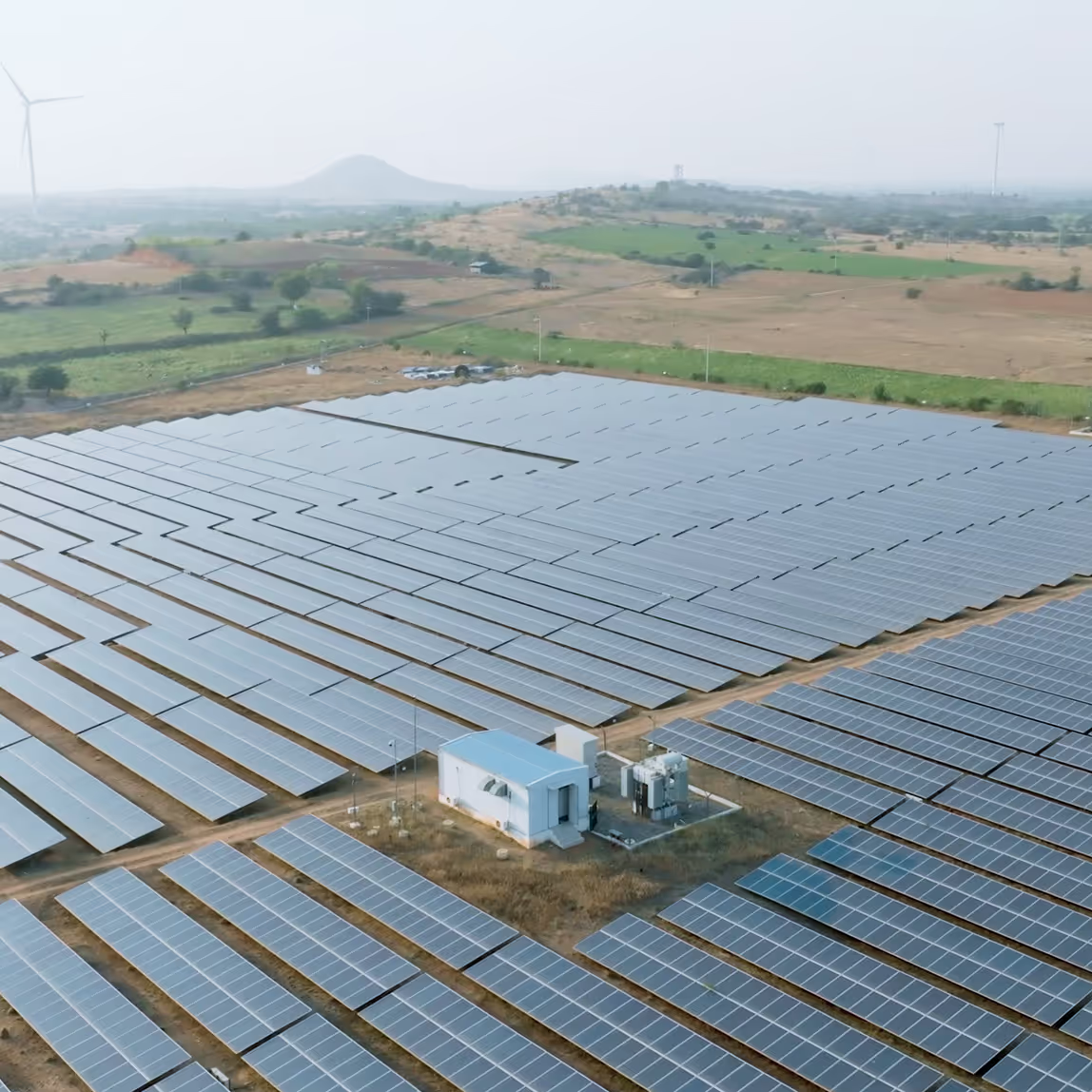

This blog explores how integrated urban planning, nature-based solutions, smart infrastructure, and decentralized water systems can help cities manage excess water while securing reliable supply.
The water sector is undergoing rapid transformation as cities and regions face increasing pressure from climate change, population growth, and aging infrastructure. Addressing these challenges requires a shift from traditional approaches toward more resilient, adaptive, and sustainable systems. By integrating policy, technology, and environmental considerations, stakeholders can create solutions that not only meet current demands but also safeguard resources for the future.

Water systems today are more vulnerable than ever, with rising risks of scarcity, flooding, and quality degradation. These challenges highlight the need for immediate and coordinated action. Governments, organizations, and communities must work together to implement strategies that enhance resilience, improve efficiency, and ensure equitable access to water resources.
Advancing the water sector involves a combination of innovation, investment, and long-term planning. From adopting smart technologies to strengthening governance frameworks, each step plays a crucial role in building robust systems. A forward-looking approach ensures adaptability, enabling cities and regions to respond effectively to uncertainties and evolving demands.


.avif)